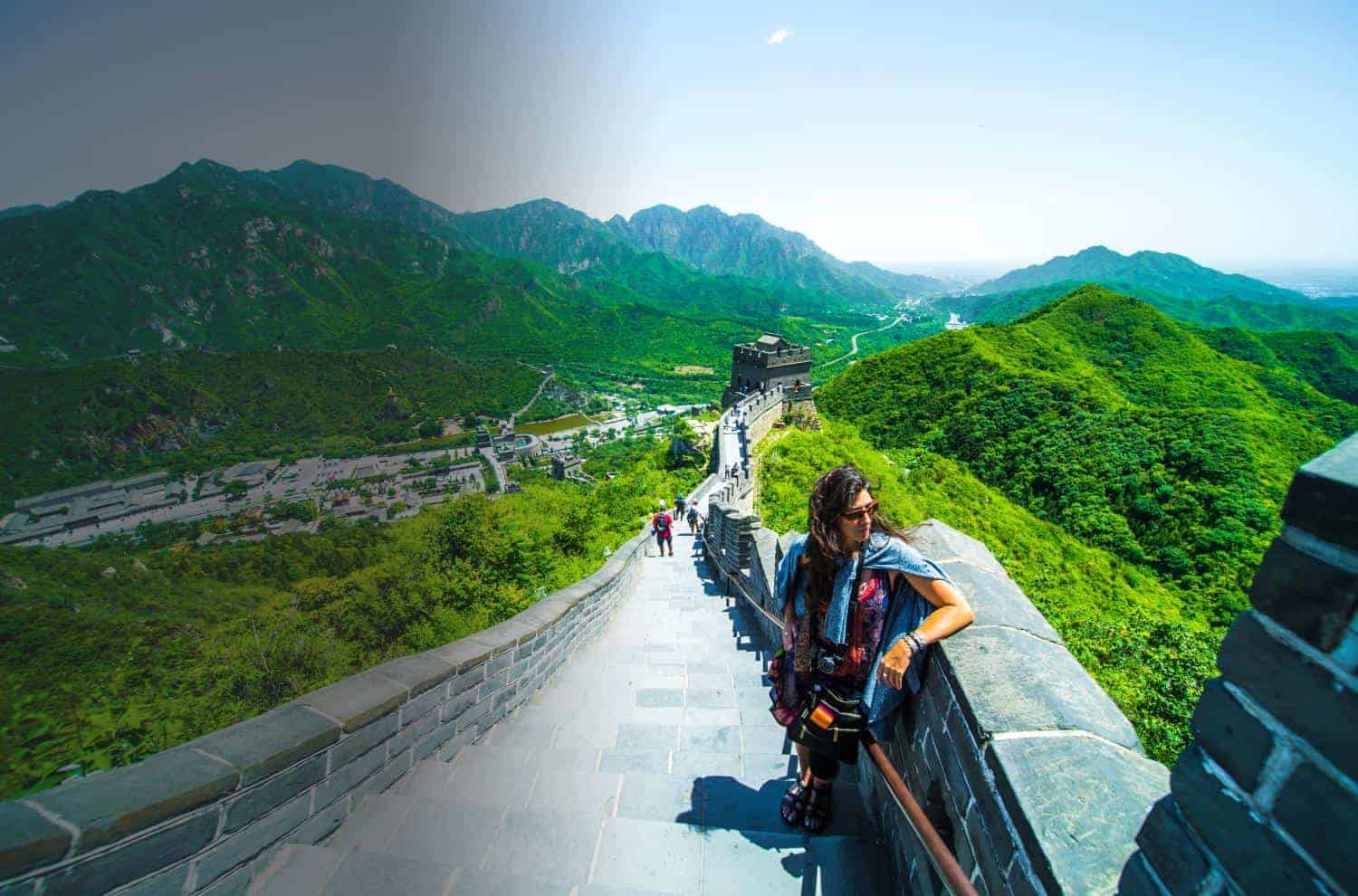
Third Eye Chakra — Insight on Sacred Mountains (China)
Mist over pines, temple bells fading into white sky. In China’s sacred mountains we meet clear seeing—the quiet intuition beneath thought, the lantern of inner guidance.
Why China is Third Eye
Mount Emei and the Leshan Giant Buddha have welcomed pilgrims for centuries. Cloud seas, steep steps, and sudden openings of view invite perspective: seeing patterns, causes, and the space around experience. Here we practice soft gaze and steady attention—letting perception settle until insight appears on its own.


View of a temple on the Golden Summit of Mount Emei, or Emei Mountain, in Emeishan city, southwest Chinas Sichuan province, 29 November 2008.
What typically happens here
Meditation and teachings on mountain trails and temple courtyards
Pauses for sky and silence; noticing the mind’s weather
Simple reflection and meditation
Inner work focus
Releasing “I must be certain / only my view is right”
Meeting confusion or fixation with curiosity and a bigger frame
In community
We compare views with humility and welcome multiple truths kindly.
What you may notice
- Less fog, more “quiet knowing.”
- Fewer compulsive fixes; more appropriate response.
- Thoughts still present, but not in charge.
- A natural friendliness toward uncertainty.
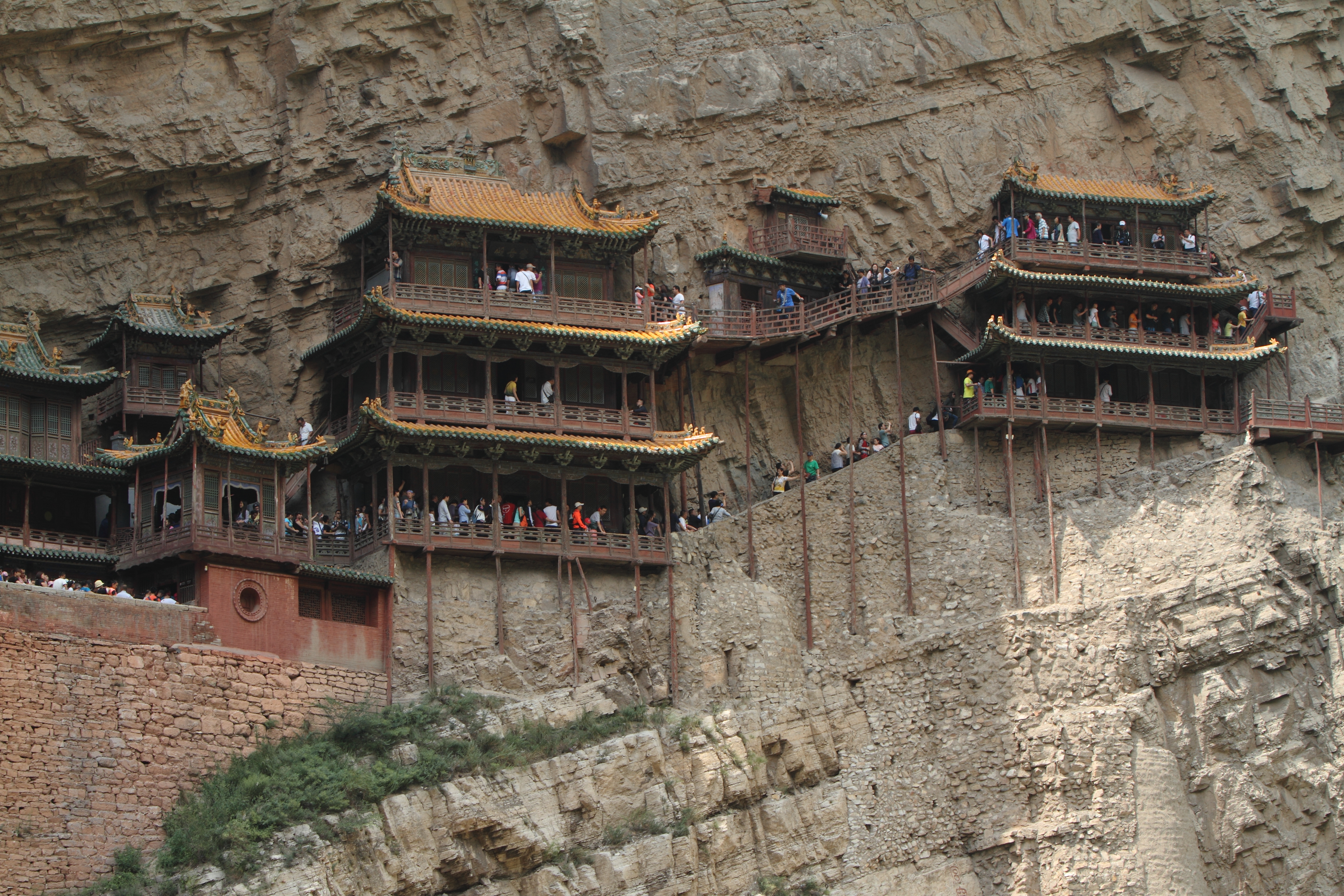
Where we may practice:
- Mount Emei trails & viewpoints: slow ascent, breath in cool cedar air; pauses for sky-gazing.
- Golden Summit (Jinding): dawn practice above the clouds—wide view, wide mind.
- Monastery courtyards: brief sitting and walking, listening to the bell into silence.
- Leshan Giant Buddha terraces: contemplation by the rivers’ meeting—big heart, big view.
Theme & invitation
Cloud, pine, bell—perception widens. The invitation is quiet knowing: seeing patterns without clinging to certainty.

One of the world's largest budga statue in Leshan, Sichuan, China (it is carved out of mountain and 71 meter tall)